

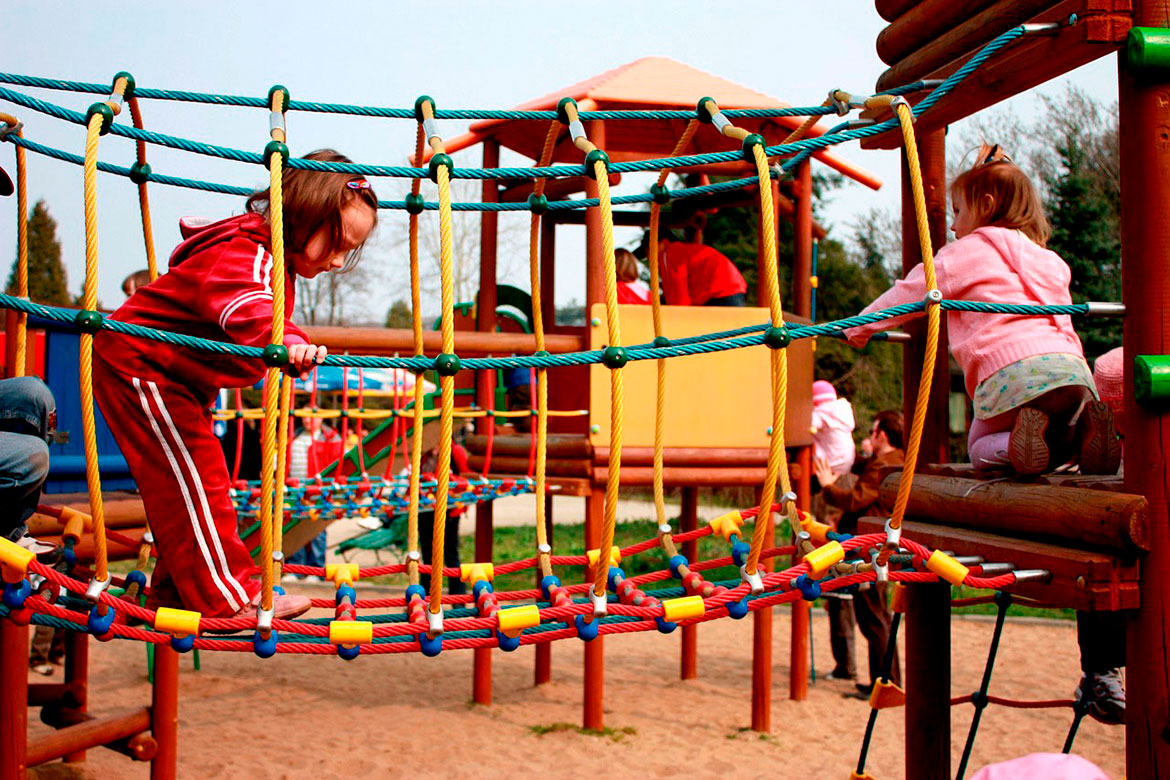
Children learn best when they are allowed to explore, imagine and interact with their surroundings. While most parents understand the importance of physical activity, many overlook the powerful connection between imaginative play and overall childhood development. Play spaces that encourage creativity give children more than entertainment. They provide an environment where problem solving, social confidence and emotional intelligence grow naturally.
Outdoor play areas in particular allow children to combine imagination with movement. Instead of sitting with screens or following rigid indoor routines, kids get the freedom to create their own stories and adventures. This type of play has been shown to strengthen cognitive skills while helping children express ideas more confidently.
Why Imaginative Play Is Essential
Imaginative play gives children a sense of ownership over their environment. When they pretend, build stories or recreate real life scenarios, they begin to understand how the world works. Simple activities like turning a climbing frame into a spaceship or imagining a slide as a waterfall can spark creativity in ways structured games cannot.
Experts often highlight three key benefits of imaginative play:
-
Cognitive Flexibility
Children learn how to think in new ways, switch between ideas and form connections. This helps with problem solving and decision making later in life. -
Language Skills
When children narrate imaginary scenes or talk with playmates, they build vocabulary and communication skills naturally. -
Emotional Expression
Pretend play allows children to express feelings, manage stress and understand empathy.
A well designed play environment makes all these experiences easier and more engaging.
The Role of Outdoor Equipment in Imaginative Play
Outdoor play structures may seem purely physical, but they are powerful tools for creativity. Children rarely use them for just one purpose. A climbing wall can become a rock mountain, a tower can turn into a pirate ship and a set of rings can be a jungle obstacle. When equipment offers multiple ways to interact, children naturally invent stories around it.
This is why open ended play equipment is so important. Items that offer flexibility invite imagination without forcing any specific type of activity. Parents often look for structures that can be used in various ways rather than those with a single purpose.
During a content update to this article, a useful reference was added for families looking for versatile strength based equipment. Many parents who explore outdoor setups often check options like Monkey Bars to support both physical and imaginative play. Kids do not just climb such structures. They pretend they are escaping lava, swinging through a rainforest or training for a superhero mission. Flexibility is the key to long term interest.
How Creative Play Boosts Social Skills
Creative play is not only a solo activity. When children imagine together, they learn how to negotiate roles, take turns and respect different ideas. These social lessons are often more meaningful in a play environment than in a structured classroom setting.
Outdoor play spaces give children more space to communicate and collaborate. Instead of being confined to a small indoor area, they can run, shout, act out stories and involve different pieces of equipment in their scenarios. This interaction teaches them teamwork and helps them understand the importance of cooperation.
Designing Play Spaces That Encourage Imagination
Creating an imaginative play space does not require elaborate structures. A few well chosen elements can encourage children to think creatively and stay engaged for long periods. Parents and planners often consider the following:
-
Equipment that can be used in multiple ways
-
Natural spaces such as trees, rocks and open ground
-
Clear zones where children can run freely
-
Objects that encourage storytelling such as tunnels, bridges or towers
-
Safe but challenging structures that motivate adventure
The key is to provide variety without overwhelming the play area. Children thrive when they have enough options to explore but not so many that the environment becomes confusing.
Supporting a Balanced Childhood
A balanced upbringing includes physical activity, imaginative play and emotional development. Outdoor environments bring all three together in a natural way. When children pretend, explore, climb and create stories, they build the skills they need to navigate the real world with confidence.
Parents who encourage imaginative play often notice improvements in creativity, behaviour and confidence. The ability to invent stories and solve problems through play gives children tools they will use throughout life.
Final Thoughts
Creative and imaginative play is more than just fun. It is a vital part of healthy childhood development. Play spaces that encourage exploration help children grow physically, emotionally and mentally. With a mix of open ended equipment and natural elements, children gain the freedom they need to express themselves and learn through discovery.
Comments are closed.