

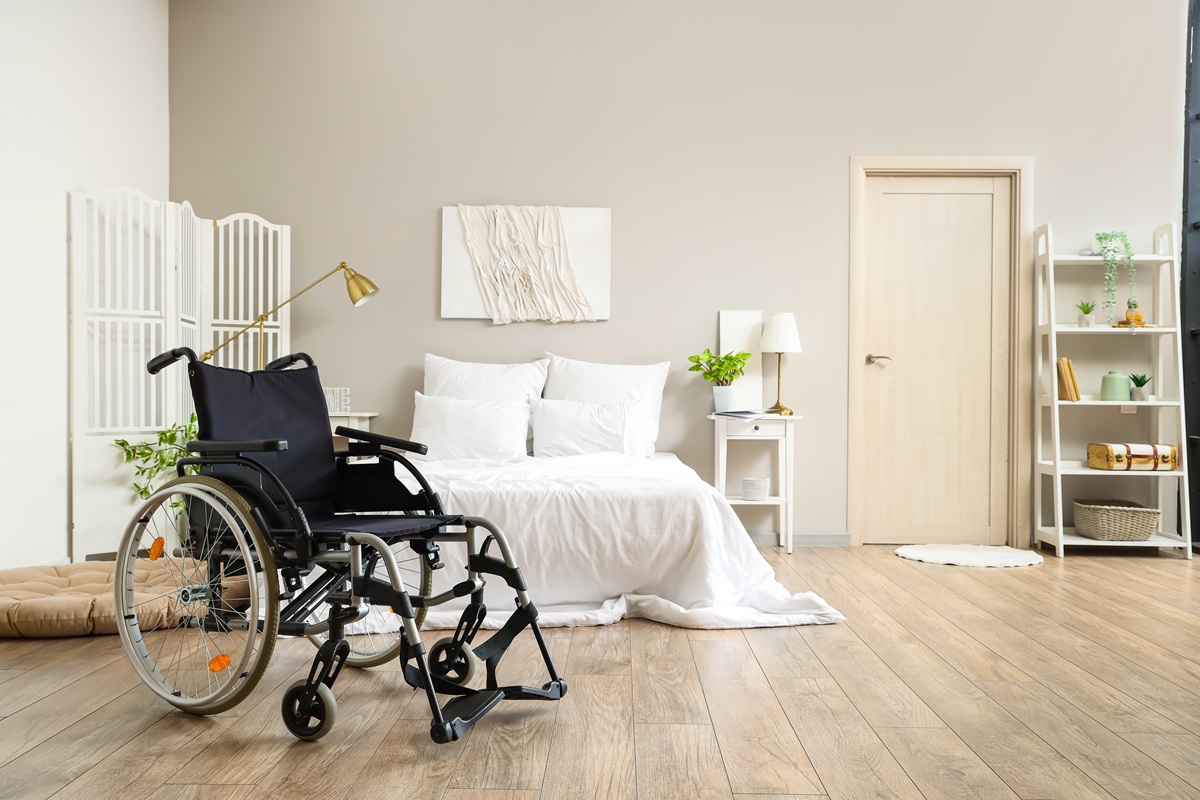
Finding the right housing can be a challenge, especially when you have specific needs. For individuals with disabilities, securing appropriate and affordable housing is paramount to their well-being and independence. Navigating the landscape of disability accommodation can feel overwhelming, but with the right information and resources, it’s possible to find suitable options that meet both your needs and budget. This article aims to provide guidance on how to find affordable specialist disability accommodation.
Many people aren’t aware of the options available or the funding that can help make housing more accessible. It’s important to understand your rights, explore all possible avenues, and advocate for your needs. The process might take time and effort, but the reward of finding a safe, comfortable, and affordable home is well worth it. Let’s delve into practical strategies and resources to help you navigate this journey successfully.
Understanding specialist disability accommodation
Specialist Disability Accommodation (SDA) refers to housing specifically for individuals with significant disabilities who require specialised support and features to live independently. This type of accommodation goes beyond standard housing by incorporating modifications and assistive technologies to enhance accessibility and safety. It’s about creating an environment where people can thrive and live as autonomously as possible.
SDA can take various forms, including purpose-built apartments, group homes, and adapted existing dwellings. The key is that the accommodation is tailored to meet the unique needs of the individual, promoting their independence and quality of life. Understanding the different types of SDA available is the first step in finding the right fit.
Types of specialist disability accommodation
There are several categories of SDA, each designed to cater to different levels of support needs. These categories are defined under the National Disability Insurance Scheme (NDIS) and influence the level of funding available. Understanding these categories can help you identify the types of properties that might be suitable for your needs.
- Basic SDA: This includes standard housing with minor modifications to improve accessibility, such as grab rails or ramps.
- Improved Liveability: These homes feature enhanced accessibility and safety features, such as wider doorways and accessible bathrooms.
- Fully Accessible: Designed for individuals with high physical support needs, these properties include features like ceiling hoists, automated doors, and accessible kitchens.
- High Physical Support: These accommodations offer the highest level of support, with features like 24/7 on-site assistance and advanced assistive technologies.
- Robust: These properties are designed for individuals with complex behavioural needs, featuring durable materials and safety measures to minimise risk.
Who is eligible for specialist disability accommodation?
Eligibility for SDA funding under the NDIS is determined based on several factors, including the severity of your disability, your support needs, and your ability to live independently. Generally, SDA is intended for individuals who require significant support with daily living activities and cannot be adequately supported in mainstream housing options.
To be eligible, you’ll need to demonstrate that your disability has a substantial impact on your housing needs and that SDA is the most appropriate solution. This often involves assessments by allied health professionals and a comprehensive review of your NDIS plan. The NDIS will consider various factors to determine if SDA is the right option for you.
Strategies for finding affordable SDA options
Finding affordable SDA requires a proactive approach and a willingness to explore various avenues. It’s about understanding your options, leveraging available resources, and advocating for your needs. Here are some strategies to help you navigate the process successfully.
Navigating the NDIS for SDA funding
The NDIS is the primary source of funding for SDA, so understanding how to navigate the scheme is crucial. This involves working closely with your NDIS planner to ensure your housing needs are accurately reflected in your plan. Be prepared to provide detailed information about your disability, your support needs, and the types of accommodation that would best meet your requirements.
It’s also important to understand the different funding models available under the NDIS, such as participant-led funding and provider-led funding. Depending on your circumstances, one model might be more suitable than the other. Don’t hesitate to ask your NDIS planner for clarification and guidance on navigating the funding process.
Exploring SDA providers in Brisbane
Once you have a clear understanding of your SDA funding, the next step is to research and connect with SDA providers in your area. Specialist disability accommodation Brisbane offers a range of providers with different types of properties and support services.
Consider attending information sessions, visiting properties, and speaking with current residents to get a better sense of what each provider offers. Look for providers that align with your values and preferences, and that have a proven track record of providing high-quality support. It’s also a good idea to check online reviews and seek recommendations from other individuals with disabilities.
Considering shared living arrangements
Shared living arrangements can be a more affordable option than living independently in SDA. These arrangements involve sharing a home with other individuals with disabilities, which can help reduce costs and provide opportunities for social interaction and companionship. Shared living can also foster a sense of community and belonging.
However, it’s important to carefully consider the compatibility of housemates and ensure that the shared living environment meets your individual needs. Look for shared living arrangements that offer a balance of independence and support, and that promote a positive and inclusive atmosphere.
Utilising government and community resources
In addition to the NDIS, there are various government and community resources that can assist you in finding affordable SDA. These resources might include housing assistance programs, disability support organisations, and advocacy groups. Take the time to research what’s available in your area and connect with organisations that can provide guidance and support.
Many local councils also offer programs and initiatives to promote accessible housing and support individuals with disabilities. Don’t hesitate to reach out to your local council for information and assistance. Building a strong network of support can make a significant difference in your search for affordable SDA.
Advocating for your needs
Advocating for your needs is essential throughout the process of finding affordable SDA. This involves clearly communicating your requirements, preferences, and concerns to your NDIS planner, SDA providers, and other relevant stakeholders. Be prepared to provide evidence to support your claims and to challenge decisions that don’t align with your best interests.
If you’re not comfortable advocating for yourself, consider enlisting the support of an advocate or support worker who can assist you in communicating your needs and navigating the system. Remember, you have the right to be heard and to have your needs respected.
Financial considerations for SDA
Understanding the financial aspects of SDA is crucial for ensuring affordability and sustainability. This involves understanding the different costs associated with SDA, as well as the various funding options available. Here are some key financial considerations to keep in mind.
Understanding SDA costs
The cost of SDA can vary depending on several factors, including the type of accommodation, the level of support provided, and the location of the property. It’s important to have a clear understanding of all the costs involved, including rent, utilities, support services, and any other associated expenses. Be sure to ask SDA providers for a detailed breakdown of costs before making any decisions.
Keep in mind that SDA funding from the NDIS is intended to cover the cost of the accommodation itself, but not the cost of support services. You’ll need to ensure that your NDIS plan also includes funding for the support services you require, such as personal care, therapy, and transportation.
Exploring funding options beyond the NDIS
While the NDIS is the primary source of funding for SDA, there might be other funding options available to you. These options might include government subsidies, charitable grants, and private insurance. Take the time to research what’s available in your area and explore all possible avenues for funding.
Some SDA providers also offer flexible payment options or financial assistance programs to help make accommodation more affordable. Don’t hesitate to ask providers about these options and to explore ways to reduce your overall costs.
Budgeting and financial planning
Creating a budget and developing a financial plan is essential for managing the costs associated with SDA. This involves tracking your income and expenses, identifying areas where you can save money, and setting financial goals. Consider seeking assistance from a financial advisor who can help you develop a personalised financial plan.
It’s also important to plan for unexpected expenses, such as repairs, maintenance, and medical costs. Having a financial buffer can provide peace of mind and help you manage any unforeseen challenges that might arise.
Making the right choice for your needs
Choosing the right SDA option is a significant decision that can have a profound impact on your quality of life. It’s important to take the time to carefully consider your needs, preferences, and financial circumstances before making a choice. Here are some key factors to consider.
Assessing your individual needs
The first step in choosing the right SDA option is to assess your individual needs and preferences. This involves considering your physical, emotional, and social needs, as well as your personal goals and aspirations. What type of accommodation would best support your independence and well-being? What kind of support services do you require? What are your priorities in terms of location, amenities, and social environment?
Be honest with yourself about your needs and don’t be afraid to ask for help in assessing them. Allied health professionals, support workers, and disability advocates can provide valuable insights and guidance.
Visiting potential properties
Once you have a clear understanding of your needs, the next step is to visit potential properties and assess their suitability. This involves inspecting the property, meeting the staff, and speaking with current residents. Ask questions about the property’s accessibility features, support services, and social environment. Pay attention to the overall atmosphere and whether it feels like a place where you could feel comfortable and safe.
If possible, try to visit properties at different times of day to get a sense of what it’s like to live there. Consider bringing a friend or family member with you for support and a second opinion.
Considering the long-term implications
When choosing an SDA option, it’s important to consider the long-term implications. How will your needs change over time? Will the property be able to accommodate your evolving needs? Will the support services continue to meet your requirements? Are there opportunities for personal growth and development?
Think about your future goals and aspirations and choose an SDA option that will support you in achieving them. It’s also a good idea to have a plan in place in case your circumstances change and you need to move to a different property.
Conclusion
Finding affordable specialist disability accommodation options requires a combination of knowledge, perseverance, and advocacy. By understanding the NDIS, exploring various housing options, and leveraging available resources, you can increase your chances of finding a safe, comfortable, and affordable home that meets your needs. Remember to advocate for your rights, seek support when needed, and never give up on your quest for independent living.
Also Read: What Makes Specialist Disability Accommodation Different? A Clear Guide
Comments are closed.